Why Nixtamalization Matters in Corn Tortilla Production
Estimated reading time: 6 minutes
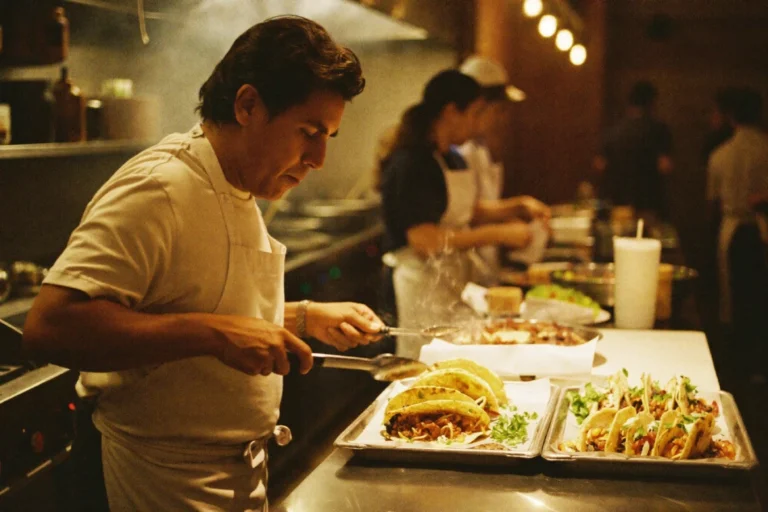
Not all corn tortillas are the same, even if they appear similar at first glance. Packaging, branding, and presentation can make many products look alike, but the real difference is not in appearance — it is in the production process behind the tortilla itself.
Nixtamalization is one of the most important processes in traditional corn tortilla production because it directly influences flavor, texture, nutritional value, and overall product performance. While some manufacturing methods prioritize speed and extended shelf life, nixtamalization remains the benchmark for authentic corn tortilla production.
Understanding how this process works helps explain why nixtamalized corn tortillas continue playing such an important role in Mexican cuisine and commercial food operations.
What Is Nixtamalization?
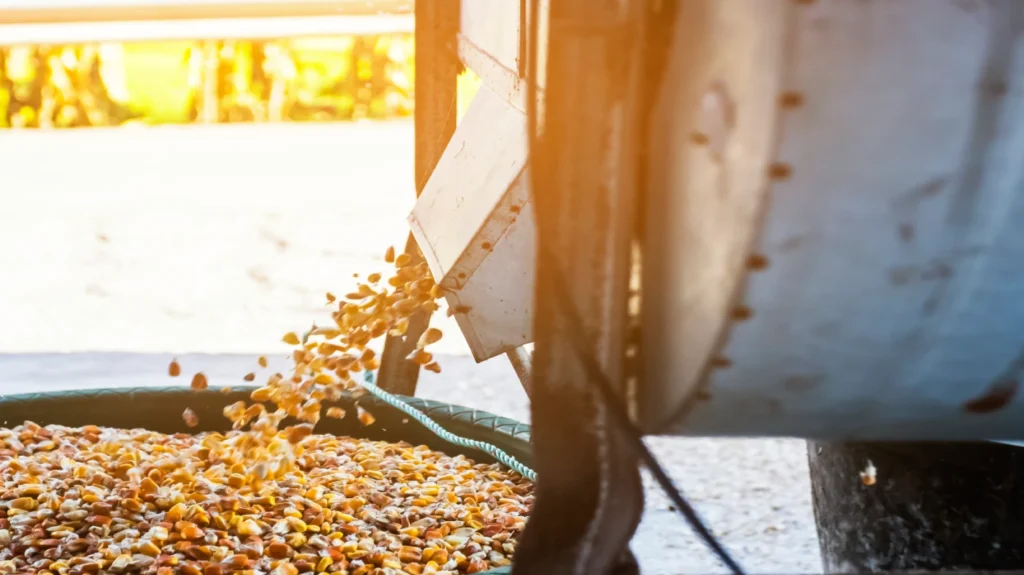
Nixtamalization is a traditional process in which dried corn is cooked and soaked in water with lime (calcium hydroxide). This process transforms the corn, improves nutrient availability, and allows the production of fresh masa used for tortillas and many other traditional Mexican foods.
More than a traditional technique, nixtamalization remains one of the defining characteristics of authentic corn tortilla production.
How the Nixtamalization Process Works
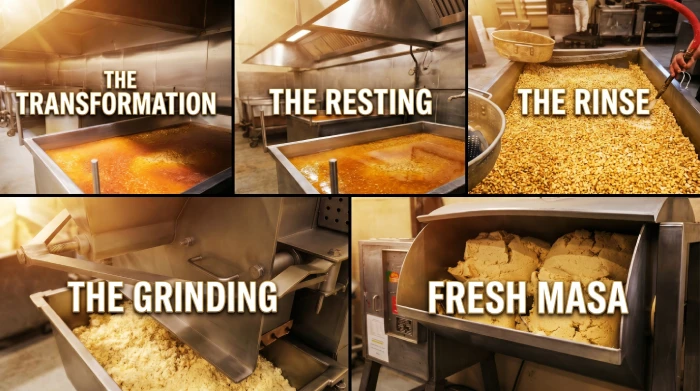
During nixtamalization, dried corn kernels are cooked in water mixed with lime. The alkaline solution helps loosen the outer layer of the kernel while softening the corn and preparing it for grinding.
After cooking, the corn rests in the same solution for several hours. This resting stage allows the kernels to fully hydrate and develop the texture needed for masa production.
Once the process is complete, the corn is rinsed to remove excess lime and becomes nixtamal — a softer, more flexible kernel ready for milling.
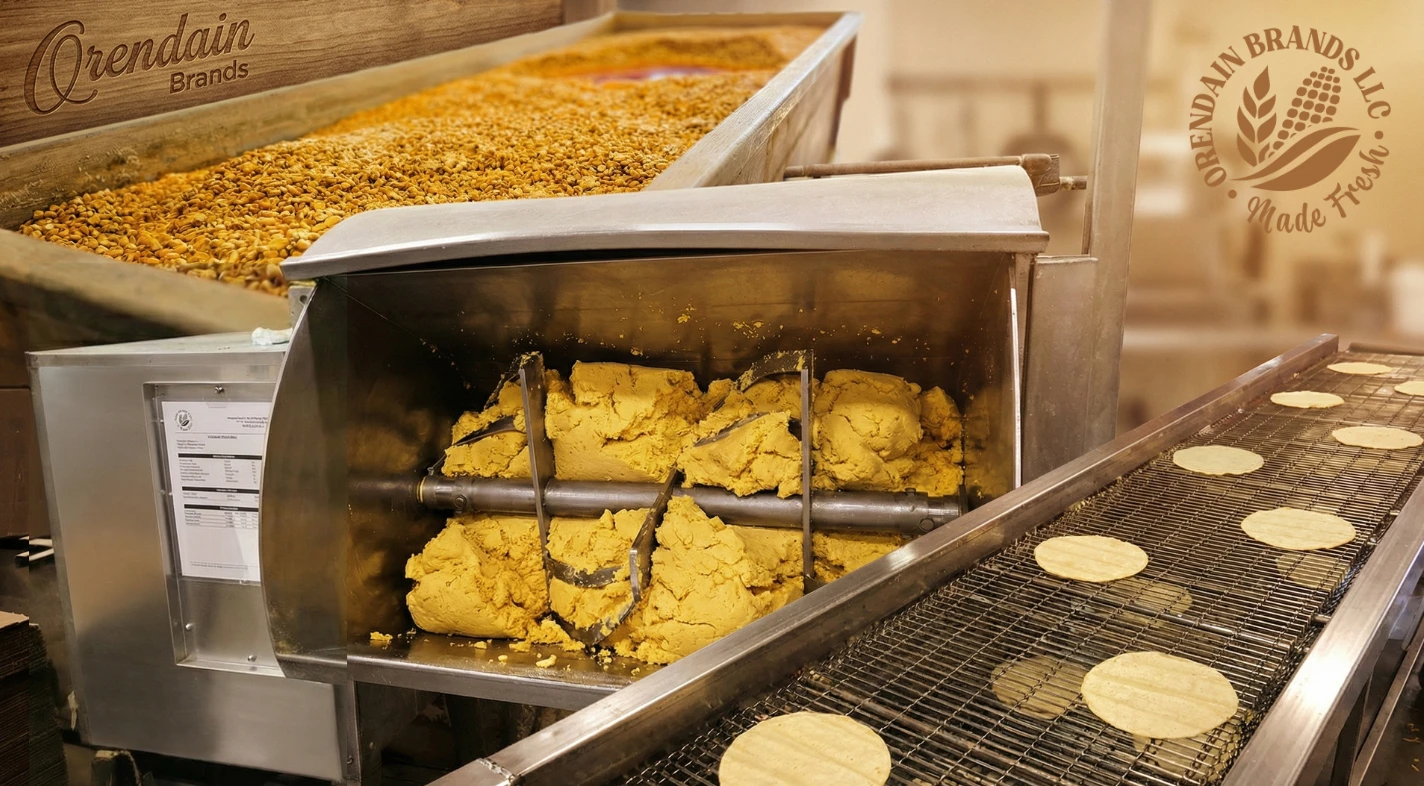
The final result is fresh masa, the foundation of tortillas, tostadas, tamales, and many other staple foods in Mexican cuisine.
Why Nixtamalization Improves Corn Tortillas
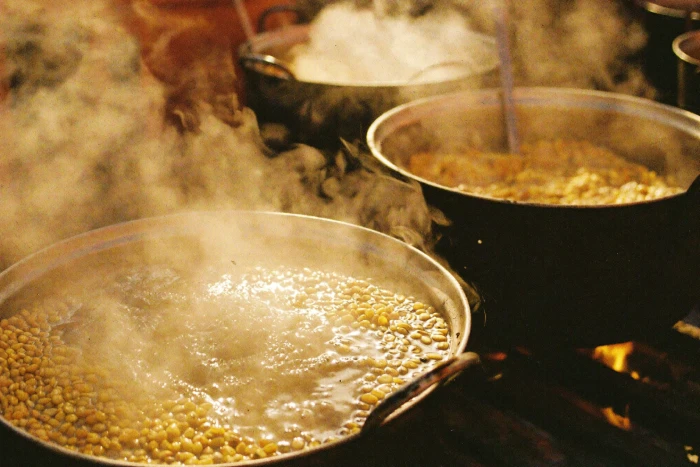
Nixtamalization changes the physical and nutritional characteristics of corn in ways that directly affect tortilla quality.
Some of the most important benefits include:
Improved Nutritional Value
The nixtamalization process helps release nutrients such as niacin (vitamin B3), making them easier for the body to absorb. It also increases calcium content naturally through the use of lime during processing.
Better Digestibility
Nixtamalized corn becomes easier to digest, allowing the body to utilize nutrients more effectively as part of everyday nutrition.
Better Flexibility and Heating Stability
Nixtamalized masa retains moisture more effectively and develops greater elasticity during production. This allows tortillas to bend more naturally, maintain structure under heat, and perform more consistently during cooking and service.
Businesses evaluating tortilla handling and kitchen workflow can also explore the differences between corn vs flour tortillas in commercial food operations.
More Distinct Corn Flavor
Tortillas made through nixtamalization develop a deeper and more recognizable corn flavor that stays closer to traditional tortilla preparation.
Why Nixtamalization Still Matters Today
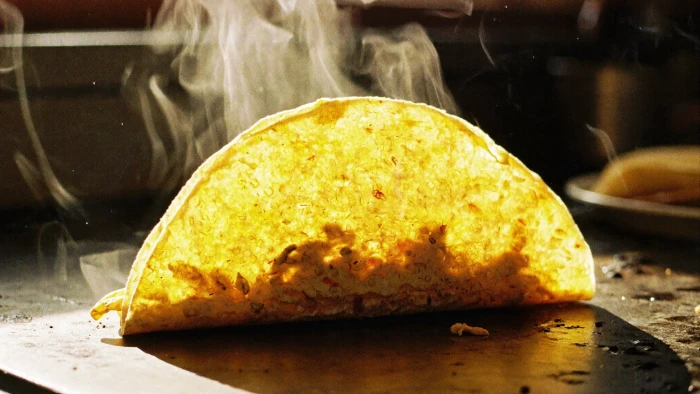
Even though faster and more standardized production methods exist today, traditional nixtamalization continues standing out when consistency, process control, and product quality matter.
The process remains a key reference point in tortilla production because it directly influences moisture retention, texture consistency, and overall tortilla handling during cooking and service.
Modern equipment can improve production efficiency, but it cannot fully replace the characteristics developed through proper nixtamalization.
Businesses looking to better understand our production standards and operational approach can also explore our manufacturing capabilities.
Fresh Tortillas Without Preservatives: A Competitive Advantage for Food Businesses
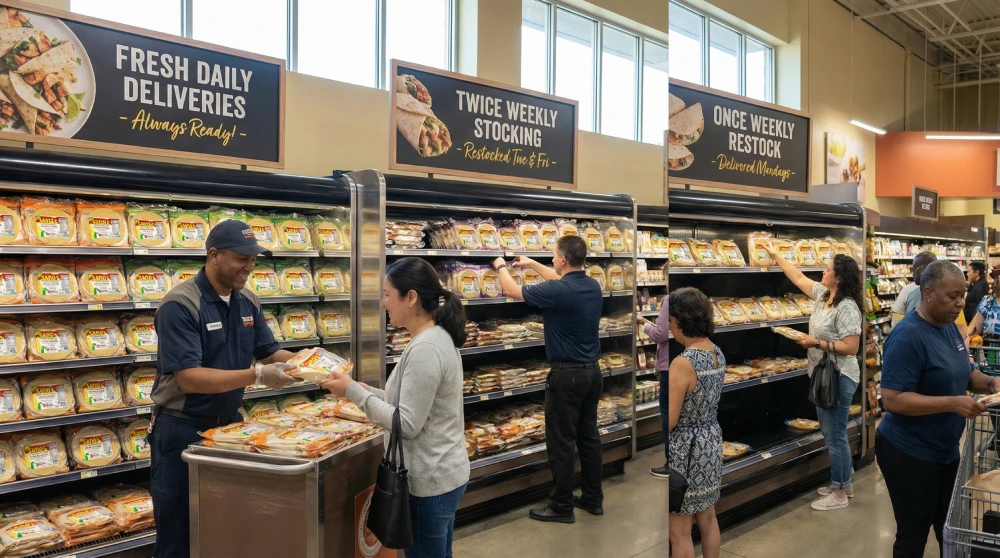
Consumers today pay closer attention to ingredient simplicity, freshness, and traditional food preparation methods.
Nixtamalized tortillas are fresh products that do not depend on excessive preservatives to maintain quality. Because of this, they often require more frequent product rotation at the point of sale compared to tortillas designed for extended shelf life.
For many restaurants and foodservice businesses, this becomes a competitive advantage rather than a limitation.
Fresh tortillas typically deliver: better flavor, improved texture, more recognizable corn characteristics, and stronger customer satisfaction.
Products formulated for extremely long shelf life can sometimes alter the texture and flavor consumers traditionally expect from tortillas.
At Orendain Brands, we understand that fresh tortilla programs must also remain operationally reliable. That is why we work closely with businesses to develop production and delivery schedules aligned with their sales volume and operational needs.
Depending on demand, deliveries may be scheduled once, twice, or even daily to help maintain freshness and consistency.
How to Identify Nixtamalized Tortillas
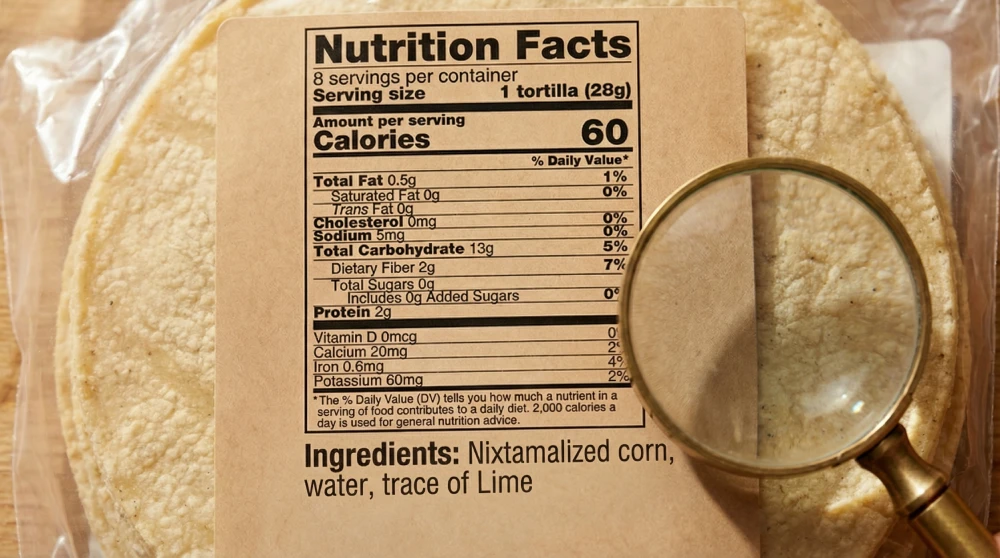
Consumers can often identify nixtamalized tortillas by reviewing product packaging and ingredient labels carefully.
Many products indicate the use of traditional processing methods with terms such as:
- Nixtamal
- Nixtamalized Corn
Another common indicator is the term:
- Stone Ground
While “Stone Ground” alone does not guarantee nixtamalization, it is often associated with more traditional corn processing methods.
The ingredient list can also provide important clues. Products made through nixtamalization commonly list ingredients such as:
- Corn masa
- Whole grain corn
Reviewing these details helps consumers better understand how tortillas are produced and recognize differences between products that may look similar on the shelf but are made through very different production methods.
Nixtamalization at Orendain Brands
At Orendain Brands, nixtamalization is not simply another production step.
It is the foundation of our corn tortilla process because we understand that tortilla quality begins long before packaging or distribution.
The process behind the tortilla directly influences texture, flavor, flexibility, and the overall eating experience.
Frequently Asked Questions About Nixtamalization
It is the process of cooking corn in water with lime to produce fresh masa used to make tortillas.
Yes. It increases calcium content and improves the absorption of essential nutrients.
No. Some tortillas are made from processed corn flours that do not go through the traditional nixtamalization process, which can affect flavor, texture, and nutritional value.