Corn vs Flour Tortillas for Restaurants and Foodservice Operations
Estimated reading time: 6 minutes
Choosing between corn and flour tortillas goes far beyond menu preference. For restaurants and foodservice operations, the tortilla format directly affects product performance, customer experience, kitchen workflow, and service consistency.
A tortilla that tears during preparation, loses structure under heat, or struggles to hold fillings can slow down service and affect presentation. In fast-paced kitchens, these small problems quickly become operational issues. Selecting the appropriate tortilla format helps improve handling, streamline preparation, and maintain consistency during service.
Understanding how corn and flour tortillas perform in commercial kitchen environments helps businesses make better decisions for both menu execution and daily operations.
Why Tortilla Performance Matters in Foodservice Operations
Not all tortillas respond the same way under commercial kitchen conditions.
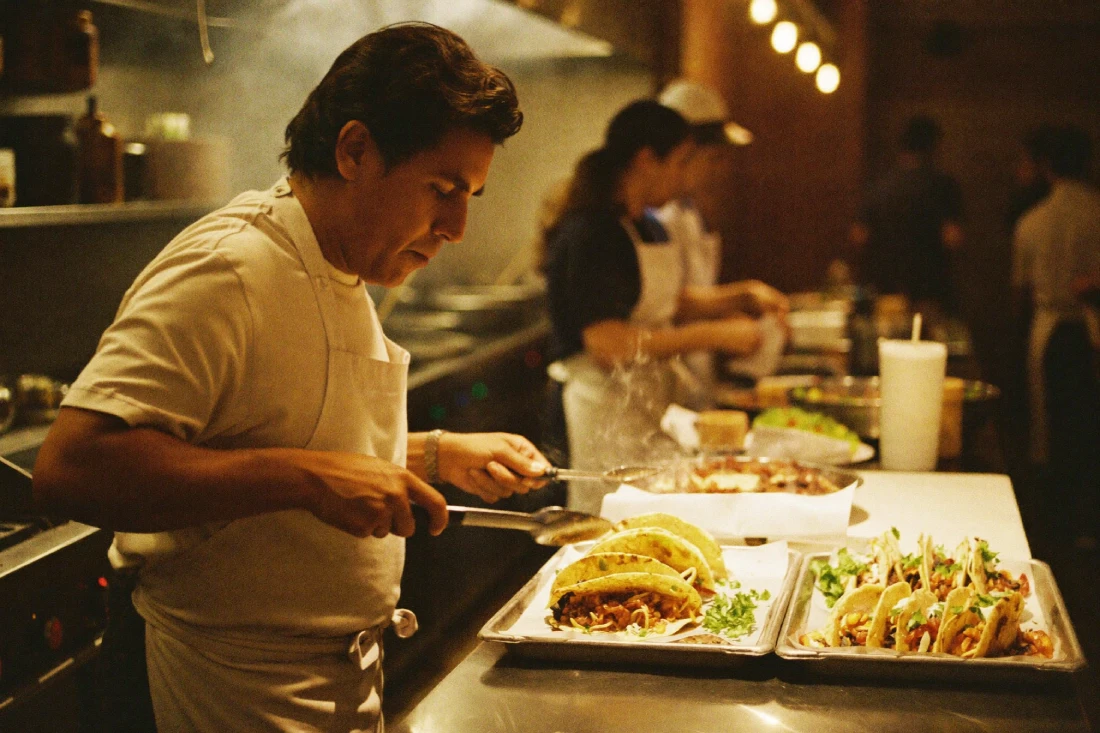
In high-volume environments, tortillas must perform consistently during heating, folding, filling, grilling, and service. The wrong tortilla can increase breakage, create handling issues, and slow down service during peak hours.
This becomes especially important for: restaurants, quick-service operations, grab-and-go programs, and high-volume commercial kitchens.
The best tortilla often depends on the application, preparation style, and type of dining experience a business wants to deliver.
Corn Tortillas Deliver Traditional Texture and Authenticity
Corn tortillas remain essential in traditional Mexican cuisine because of their flavor, structure, and cooking performance.
Their firmer texture and defined corn flavor work especially well in dishes where authenticity and texture are central to the experience.
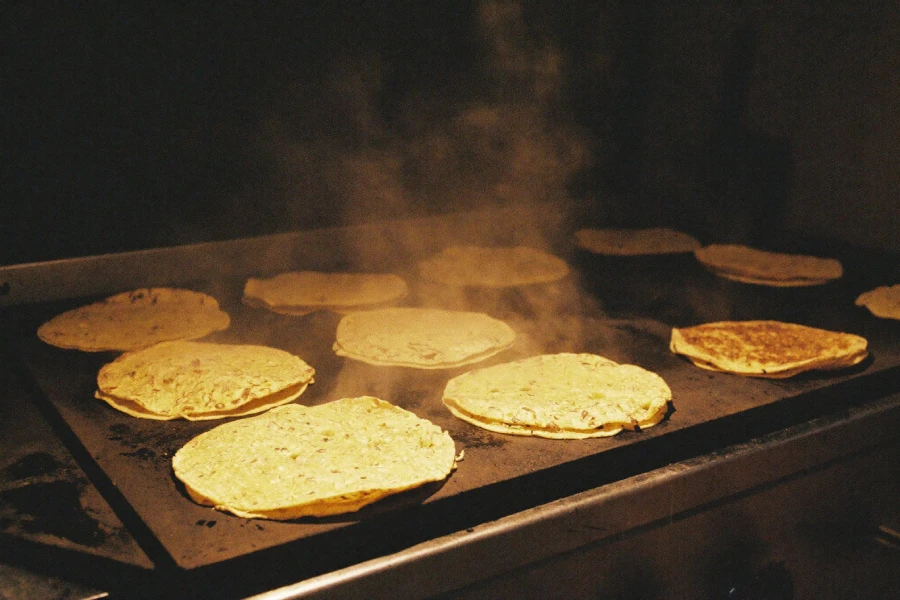
Because corn tortillas maintain their structure well during grilling, frying, and reheating, they perform reliably in restaurant and high-volume kitchen environments.
Nixtamalized corn tortillas also align with growing consumer interest in traditional preparation methods and simpler ingredient profiles. Their naturally gluten-free profile continues attracting consumers looking for alternative options within Mexican cuisine. For more information about traditional corn processing methods, see this article about the Nixtamalization: What It Is, How It Works, and Why It Improves Corn Tortillas.
For many foodservice businesses, corn tortillas are more than just an ingredient. They help reinforce authenticity and strengthen the identity of the menu itself.
Flour Tortillas Support Flexibility and High-Volume Efficiency
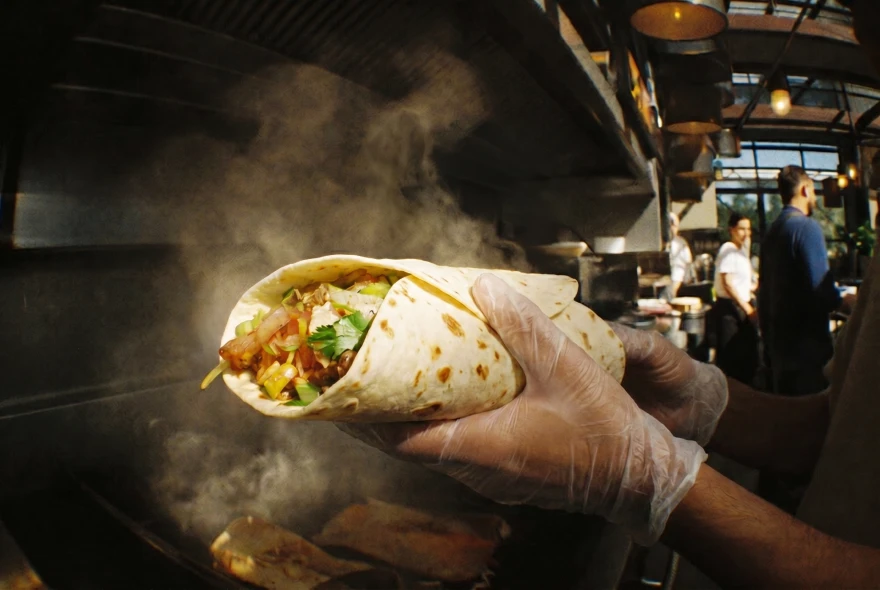
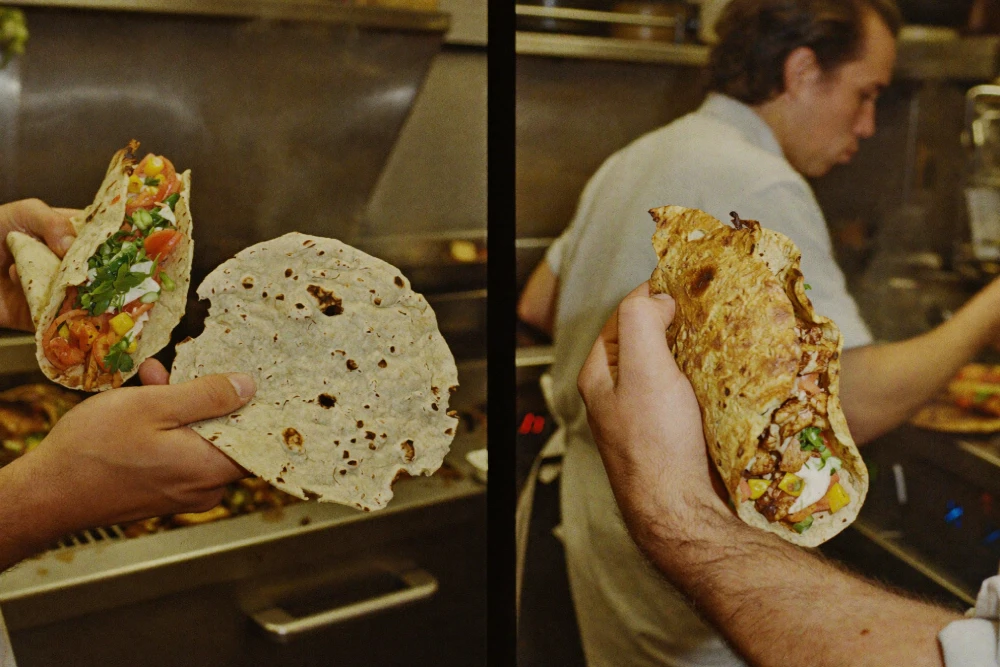
Flour tortillas are commonly selected for applications that require softness, elasticity, and larger filling capacity.
Their flexibility makes them especially valuable in fast-paced kitchens where products must be folded, rolled, and assembled quickly during service.
In commercial kitchens, flour tortillas help reduce tearing and simplify handling during preparation. This becomes particularly valuable for: Delivery-focused operations, Delivery-focused operations, Quick-service restaurants, High-volume kitchens, Grab-and-go food programs.
Their flexibility helps reduce breakage during assembly while supporting faster service in high-volume environments.
Operational Performance Often Determines the Best Choice
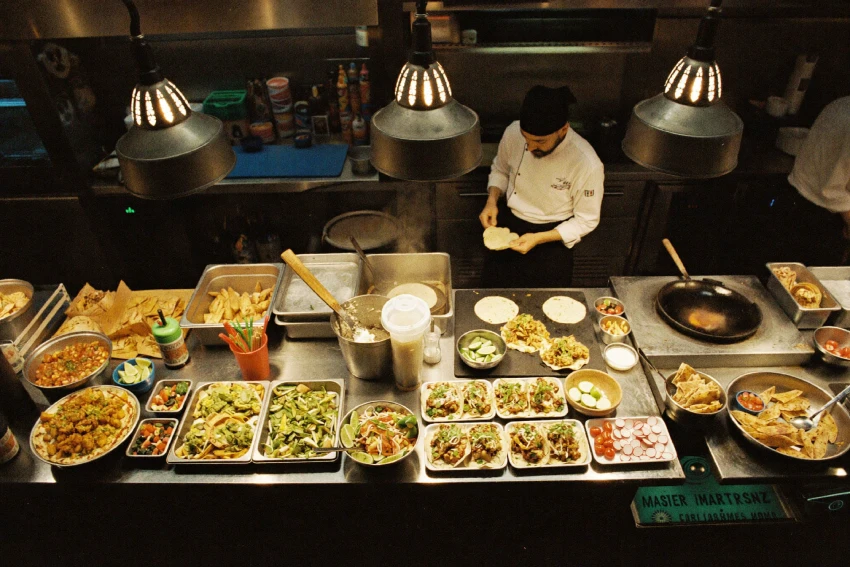
The best tortilla choice is often determined by kitchen performance rather than preference alone.
Restaurants and foodservice operators often evaluate tortillas based on factors such as:
For example, heavier fillings and portable menu items often benefit from the flexibility of flour tortillas. Meanwhile, menus centered around traditional Mexican dishes may depend on the flavor, structure, and texture associated with corn tortillas.
Understanding these functional differences helps businesses select products that better support both kitchen performance and customer expectations.
Consumer Expectations Continue to Influence Tortilla Demand

Today’s consumers pay closer attention to ingredient simplicity, traditional preparation methods, and overall food authenticity.
Many customers actively look for products associated with: Recognizable ingredients, authentic flavor, authentic flavor, traditional preparation, and less processed food options.
In tortillas specifically, consumers increasingly associate simpler ingredient profiles with a more authentic eating experience. Products made with excessive preservatives or highly extended shelf-life formulations can sometimes alter the texture and flavor characteristics people traditionally expect from tortillas.
As foodservice trends continue evolving, offering the right tortilla format can help businesses strengthen menu appeal and connect more effectively with changing customer expectations.
Choosing a Tortilla Supplier Matters as Much as Choosing the Tortilla
Even the right tortilla can create kitchen challenges if production consistency and supply reliability are not maintained.
Restaurants, distributors, and foodservice operators depend on suppliers capable of delivering: Dependable production, reliable product quality, consistent distribution, Operational support.
At Orendain Brands, we produce both 100% nixtamalized corn tortillas and authentic Sonoran-style flour tortillas designed for commercial food operations.
Our focus on ingredient quality, controlled production, and dependable distribution helps support restaurants and foodservice businesses looking for tortilla solutions aligned with real operational demands.
Choosing the right tortilla is not only about flavor or tradition. It is also about selecting products that perform reliably under real kitchen conditions while supporting the experience customers expect.
Key Takeaways
- Choosing the right tortilla directly affects kitchen performance, customer experience, and service consistency.
- Corn tortillas excel in traditional dishes due to their flavor and structure, while flour tortillas offer flexibility and ease of use.
- High-volume kitchens must consider how each tortilla type handles heat, filling, and assembly to avoid operational issues.
- Today’s consumers value ingredient simplicity and authenticity, making the right tortilla choice crucial for menu appeal.
- At Orendain Brands, we focus on producing quality corn and flour tortillas that meet the demands of commercial food operations.